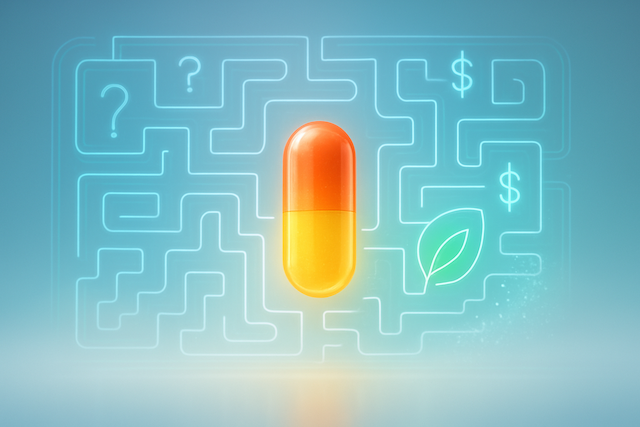
The Multivitamin Maze: Are You Really Getting All You Need?

Download Suplify App
Track your supplements, optimize your routine, and achieve better results with Suplify App. Our app helps you manage dosages, set reminders, and monitor your progress all in one place.

Scan the QR Code to download Suplify App
Ou acesse diretamente:
The Multivitamin Maze: Are You Really Getting All You Need?
In a world brimming with health advice and dietary trends, few topics spark as much debate as the humble multivitamin. For some, it’s a non-negotiable daily ritual, a convenient nutritional safety net in our fast-paced lives. For others, it’s an expensive placebo, an unnecessary addition to a supposedly balanced diet. So, what's the truth? Are multivitamins an essential pillar of modern wellness, or merely a crutch masking deeper nutritional shortcomings? This post will delve into the complexities of multivitamin necessity, exploring when they might genuinely offer a vital boost, and when they might be simply redundant, helping you navigate the choices for your personal health journey.
The Ideal vs. Reality: Our Modern Dietary Landscape
The foundational principle of nutrition is elegantly simple: derive all necessary vitamins, minerals, and macronutrients from a diverse, whole-food diet. Ideally, a plate rich in colorful fruits, vegetables, lean proteins, and healthy fats should provide everything your body needs to thrive. However, the reality of modern living often falls short of this idyllic scenario. Agricultural practices, for instance, have shifted significantly. Decades of intensive farming have, in many regions, depleted soil of essential trace minerals, meaning the nutritional content of our produce may not be as robust as it once was. A tomato grown today might not carry the same micronutrient punch as its ancestor from fifty years ago.
Beyond soil depletion, our lifestyles play a crucial role. Many of us grapple with demanding schedules, leading to reliance on processed, pre-packaged foods that are often high in calories but low in nutritional density. Even when we cook at home, preparation methods can sometimes diminish nutrient integrity. Furthermore, specific dietary choices, whether by preference (vegan, vegetarian) or necessity (allergies, intolerances), can inadvertently create gaps. For example, a vegan diet, while incredibly healthy, requires careful planning to ensure adequate intake of Vitamin B12, iron, and certain omega-3 fatty acids, which are more readily available in animal products. The stress of modern life itself can even impact nutrient absorption and increase the body's demand for certain vitamins. When we consider these multifaceted challenges, the gap between the nutritional ideal and daily reality becomes strikingly clear for many.
Who Might Truly Benefit? Specific Scenarios
While a multivitamin isn't a universal panacea, there are distinct populations and circumstances where these supplements can genuinely provide a crucial bridge over nutritional deficiencies. One of the most prominent groups are pregnant or breastfeeding women. Their bodies have significantly increased demands for nutrients like folic acid (to prevent neural tube defects), iron (to support increased blood volume), and calcium (for fetal bone development). Meeting these elevated needs through diet alone can be incredibly challenging, making a prenatal multivitamin an indispensable tool recommended by virtually all healthcare professionals.
Older adults also frequently benefit. As we age, our bodies' ability to absorb certain nutrients can decline. For instance, stomach acid production often decreases, impacting the absorption of vitamin B12, which is crucial for nerve function and red blood cell production. Sun exposure may also decrease, leading to lower vitamin D levels, vital for bone health and immunity. Additionally, appetite might diminish, leading to a reduced intake of nutrient-rich foods.
Individuals following restrictive diets, such as vegans or strict vegetarians, face specific nutrient challenges. Vitamin B12 is almost exclusively found in animal products, making supplementation essential for plant-based eaters. Iron, zinc, and iodine can also be less bioavailable or present in lower quantities in plant-based diets, necessitating careful dietary planning or supplementation. People with malabsorption issues due to conditions like Crohn's disease, celiac disease, or gastric bypass surgery may struggle to absorb nutrients from food, regardless of their diet's quality. In such cases, a multivitamin, often prescribed and monitored by a physician, is vital to prevent severe deficiencies. Finally, those with high physical demands, such as elite athletes, or individuals recovering from illness or surgery, may have temporarily elevated nutrient requirements that a targeted multivitamin can help address, aiding recovery and performance.
Navigating the Supplement Aisle: What to Look For (and Avoid)
The supplement aisle can be an overwhelming labyrinth of options, flashy labels, and bold claims. Knowing what to look for – and what to avoid – is paramount to making an informed choice. First and foremost, prioritize reputable brands that invest in quality and transparency. Look for evidence of third-party testing (e.g., NSF International, USP, ConsumerLab.com certifications). These independent organizations verify that the product contains what it claims, is free from harmful contaminants, and meets quality standards. Without such seals, you're relying solely on the manufacturer's word, which isn't always reliable.
Ingredient forms also matter. For instance, some vitamins come in various forms, and not all are equally bioavailable (meaning, absorbable by your body). Folate, for example, is often better utilized in its active form, methylfolate, rather than synthetic folic acid, particularly for individuals with certain genetic variations. Similarly, magnesium citrate or glycinate are often better absorbed than magnesium oxide. Avoid multivitamins that promise "mega-doses" far exceeding the recommended daily allowances (RDAs) for most nutrients, as excessive intake of some vitamins (especially fat-soluble ones like A, D, E, K) can be harmful. A good multivitamin aims to fill common gaps, not provide therapeutic doses of every single nutrient. Read the label carefully: check for unnecessary fillers, artificial colors, or allergens if you have sensitivities.
Finally, and perhaps most importantly, consult a healthcare professional before starting any new supplement regimen. A doctor or a registered dietitian can help assess your individual nutritional needs based on your diet, lifestyle, health conditions, and any medications you are taking. They can also advise on specific nutrient deficiencies you might have, ensuring your supplement choice is targeted and beneficial, rather than a shot in the dark.
Multivitamins Aren't a Magic Bullet: The Holistic Approach
It's crucial to understand that a multivitamin, while beneficial in specific situations, is a *supplement*, not a substitute for a healthy lifestyle. It cannot miraculously offset a diet consistently high in processed foods, a sedentary lifestyle, or chronic stress. Thinking a daily pill negates the need for whole foods, regular exercise, adequate sleep, and effective stress management is a dangerous misconception. The complex interplay of nutrients, fiber, and phytochemicals found in whole foods cannot be fully replicated in a pill. For example, an orange provides not just Vitamin C, but also fiber, bioflavonoids, and other antioxidants that work synergistically in the body, offering benefits a solitary Vitamin C tablet cannot.
Multivitamins are designed to fill nutritional gaps, acting as a safeguard against potential deficiencies when dietary intake is suboptimal or needs are elevated. They are part of a broader, holistic approach to wellness. Prioritizing a diet rich in fruits, vegetables, lean proteins, and healthy fats should always be the cornerstone of your nutritional strategy. Engaging in regular physical activity supports cardiovascular health, muscle strength, and mood. Sufficient sleep is vital for cellular repair and hormonal balance. And managing stress effectively prevents a cascade of negative physiological impacts.
Even when you identify the right supplements for you, consistently taking them and tracking their impact can be a challenge. Remembering which supplement to take when, monitoring your progress, and understanding how your regimen contributes to your overall well-being requires organization and dedication. This is where tools designed to support your journey become invaluable, helping you maintain consistency and clarity in your health choices.
Conclusion: Making Informed Choices for Your Health
The debate surrounding multivitamins isn't black and white. For many, a well-chosen multivitamin can serve as a valuable insurance policy, bridging the nutritional gaps that modern diets and lifestyles can create. For pregnant women, the elderly, those with restrictive diets, or individuals facing malabsorption issues, they can be genuinely essential. However, multivitamins are not a substitute for a balanced diet, a healthy lifestyle, or professional medical advice. They are best viewed as a supportive measure, part of a comprehensive strategy that prioritizes whole foods, regular exercise, adequate rest, and stress management.
Ultimately, making an informed choice about multivitamins requires self-awareness, research, and collaboration with healthcare professionals. Understanding your unique nutritional needs and lifestyle factors will guide you toward the most beneficial decisions for your health. To truly optimize your supplement regimen and ensure you're consistent, consider downloading our innovative app, SupTrack. SupTrack allows you to effortlessly monitor your supplement consumption, set personalized reminders, and track your progress and results over time, helping you take control of your wellness journey. Download SupTrack today and transform how you manage your health!
Download Suplify App
Track your supplements, optimize your routine, and achieve better results with Suplify App. Our app helps you manage dosages, set reminders, and monitor your progress all in one place.
Scan the QR Code to download Suplify App
Ou acesse diretamente:
Ryan Costa