
Beyond the Grind: Mastering the Art of the Deload for Unstoppable Progress
Download Suplify App
Track your supplements, optimize your routine, and achieve better results with Suplify App. Our app helps you manage dosages, set reminders, and monitor your progress all in one place.

Scan the QR Code to download Suplify App
Ou acesse diretamente:
Beyond the Grind: Mastering the Art of the Deload for Unstoppable Progress
In the relentless pursuit of strength, muscle, and peak performance, the prevailing mantra often echoes: "Go harder, train longer, never quit." While dedication and intensity are undeniable cornerstones of progress, there's a critical, often misunderstood, and frequently overlooked strategy that separates sustained growth from frustrating plateaus and nagging injuries: the deload. Far from a sign of weakness or a step backward, strategic deloading is a sophisticated tool, a calculated retreat that paves the way for greater advances. It's the secret weapon of elite athletes and smart lifters alike, designed not just to prevent burnout, but to actively facilitate supercompensation, cement gains, and ensure a long, healthy training career. If you’ve ever pushed through persistent fatigue, felt your motivation wane, or found your performance stalling despite your best efforts, it’s time to discover the profound impact of embracing planned recovery.
What Exactly is a Deload, and Why Bother?
At its core, a deload is a planned, temporary reduction in training stress – either volume (sets and reps), intensity (weight lifted), or both – for a short period, typically one week. Unlike simply taking time off due to injury or exhaustion, a deload is a proactive, strategic intervention. It’s about giving your body and mind a break from the cumulative stress of intense training without fully detraining.
Why is this important? Consistent, high-intensity training places immense demands on your muscular, nervous, and endocrine systems. While these demands initially stimulate adaptation and growth, ceaseless assault without adequate recovery leads to diminishing returns, eventually culminating in overtraining syndrome. This isn't just about sore muscles; it's about systemic fatigue, hormonal imbalances, compromised immune function, and mental burnout.
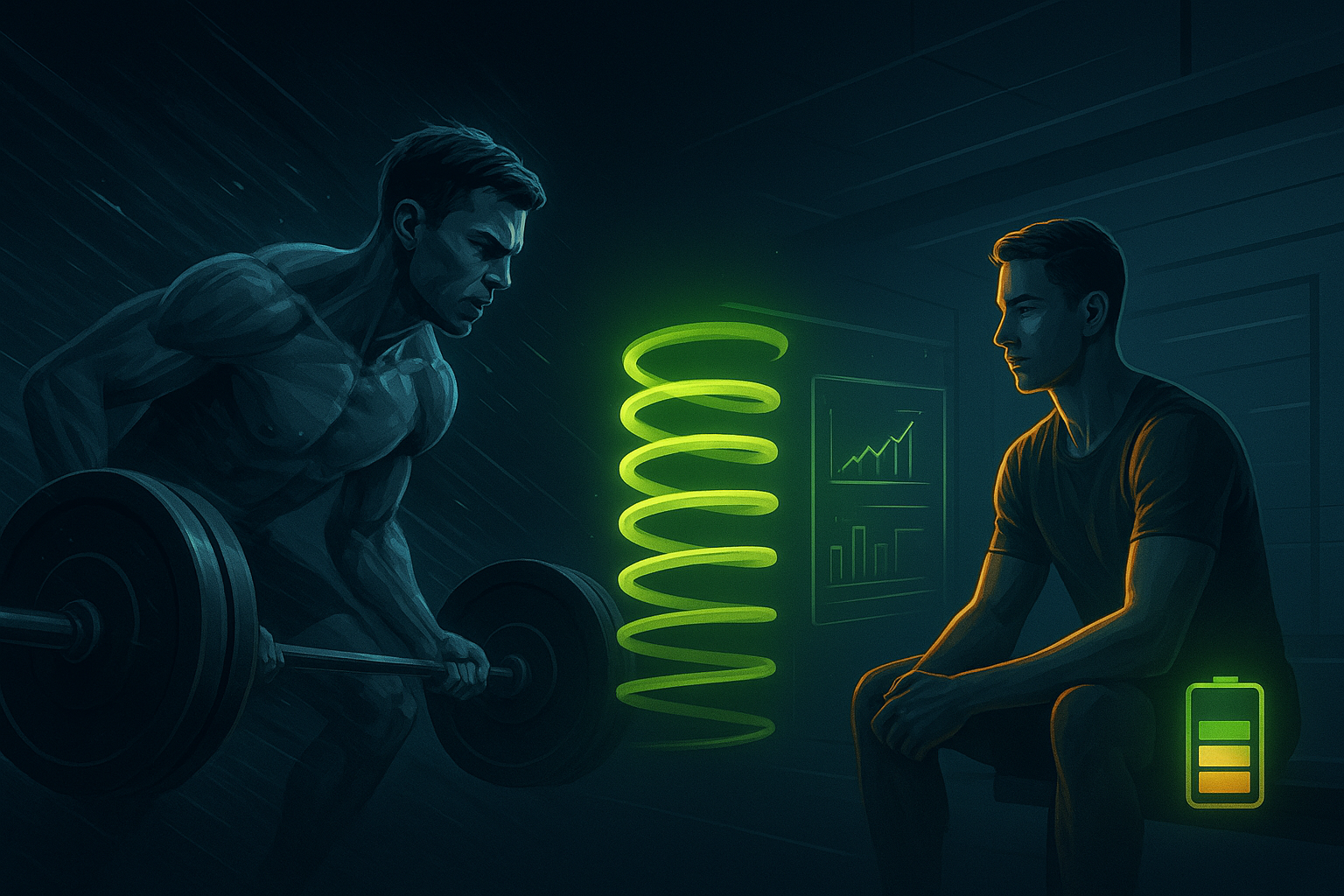
A deload serves multiple crucial purposes: it allows your central nervous system (CNS) to fully recover, replenishes glycogen stores, repairs micro-tears in muscle tissue, and gives your joints, tendons, and ligaments a much-needed respite. More importantly, it primes your body for supercompensation. Imagine stretching a rubber band; pulling it too far without release risks snapping it, but pulling it to its optimal point, then releasing it, allows it to snap back with greater force. Similarly, a deload allows your body to fully adapt to the previous training block, leading to increased strength and capacity when you return to full training. It’s not about stopping progress; it’s about strategically pausing to accelerate it.
The Science Behind Strategic Recovery
The benefits of deloading are deeply rooted in physiological principles. When you train intensely, you're intentionally causing micro-damage to muscle fibers and depleting energy stores. The body responds by repairing and rebuilding these tissues, making them stronger and more resilient than before – this is the foundation of adaptation and growth. However, this process requires time and resources.
One of the primary beneficiaries of a deload is your Central Nervous System (CNS). High-intensity, heavy lifting, and complex movements place significant stress on the CNS, which is responsible for sending signals from your brain to your muscles. A fatigued CNS can manifest as a general feeling of sluggishness, decreased coordination, and a noticeable drop in strength and power, even if your muscles feel ready. A deload allows the CNS to fully recover, restoring neural drive and optimizing motor unit recruitment, which means your brain can more efficiently communicate with your muscles, leading to stronger, more coordinated movements.
Furthermore, deloads help regulate hormonal balance. Chronic, high-stress training can elevate cortisol levels – a catabolic hormone – while potentially suppressing anabolic hormones like testosterone. By reducing training stress, a deload helps bring cortisol levels back to baseline, creating a more anabolic environment conducive to muscle repair and growth. Glycogen stores, the primary fuel for high-intensity exercise, are also fully replenished during a deload, ensuring your muscles are primed for peak performance upon your return. This strategic reset is what allows you to break through plateaus, hit new personal bests, and continue making consistent gains over the long term.
How to Implement a Deload: Methods and Personalization
Implementing a deload isn't a one-size-fits-all approach; it requires understanding your body and your training. There are several effective methods, and the best choice often depends on your current state, training experience, and specific goals:
1. Reduced Volume Deload: This is perhaps the most common approach. You keep the intensity (weight) relatively high but significantly reduce the number of sets and reps. For example, if you typically do 3-4 sets of 5-8 reps, you might reduce it to 1-2 sets of 3-5 reps with the same working weight. This maintains strength and technique patterns without causing excessive fatigue.
2. Reduced Intensity Deload: Here, you keep your usual sets and reps but lower the weight significantly, often to 50-70% of your typical working weight. This allows you to focus on perfect form, refine movement patterns, and move blood through the muscles for recovery without taxing your CNS or connective tissues heavily.
3. Active Recovery Deload: This involves engaging in light activities that promote blood flow and mobility, such as walking, cycling, swimming, yoga, or foam rolling. The key is to keep the intensity very low – enough to feel good, but not enough to cause any significant fatigue or muscle breakdown.
4. Complete Rest Deload: For individuals who are severely overtrained, highly stressed, or simply need a mental break, a full week off from the gym can be incredibly beneficial. While not typically recommended for every deload cycle, it has its place in a well-planned program.
When to Deload: The frequency of deloads depends on several factors:
* Training Intensity: The harder you train, the more frequently you'll need to deload.
* Training Age: Beginners can often go longer without deloads, while advanced lifters pushing heavy weights consistently will benefit from more frequent breaks.
* Individual Recovery: Some people naturally recover faster than others.
A common recommendation is to deload every 4-8 weeks. However, also pay attention to your body's signals. Signs you desperately need a deload include persistent fatigue, prolonged muscle soreness, joint aches, declining performance (weights feeling heavier, reps dropping), disrupted sleep, irritability, loss of appetite, and a general lack of motivation or "funk" in the gym. Listening to these cues is paramount for long-term progress and injury prevention.
Deloading for Longevity and Peak Performance
Embracing the deload is an investment in your long-term athletic career. By strategically pulling back, you're actively preventing the insidious creep of overuse injuries that plague many dedicated lifters. Tendinitis, nagging joint pain, and muscle strains often stem from cumulative stress without adequate recovery. A deload gives these vulnerable tissues a chance to heal and strengthen, significantly reducing your risk of sidelined injuries.
Beyond injury prevention, deloading is a powerful tool for breaking plateaus. Many athletes find that after a properly executed deload, they return to training feeling refreshed, stronger, and often hit new personal bests shortly after. This phenomenon, known as supercompensation, demonstrates the body's enhanced adaptive capacity once it has fully recovered and integrated the previous training stress. It's like taking two steps back to take three steps forward.
The mental benefits are equally significant. Consistent, high-intensity training can be mentally taxing, leading to burnout and a loss of enthusiasm. A deload provides a much-needed psychological break, allowing you to return to the gym with renewed motivation, focus, and a fresh perspective, making training enjoyable and sustainable for years to come.
While deloading reduces physical stress, maintaining optimal nutrition and support for recovery is paramount. This includes proper protein intake, micronutrients, and perhaps specific supplements to aid joint health or reduce inflammation. Keeping track of your supplement regimen ensures you’re consistently giving your body what it needs, especially during recovery periods. This is where tools like SupTrack become invaluable. Our app helps you monitor your supplement consumption, set reminders, and track their impact on your recovery and overall well-being. By ensuring you never miss a dose and understanding what works best for you, SupTrack empowers you to optimize your recovery strategy and accelerate your progress.
Embrace the Deload, Unlock Your Potential
The art of the deload is not about being weak; it's about being smart. It's about understanding the intricate balance between stress and adaptation, pushing your limits intelligently, and prioritizing long-term progress over short-term gratification. By integrating strategic recovery into your training regimen, you're not just preventing injury and burnout; you're actively creating the conditions for continuous gains, enhanced performance, and a sustainable, fulfilling fitness journey. Don't fear the deload – embrace it as a vital component of your success.
Ready to take control of your recovery and ensure every training cycle is optimized for growth? Don't let inconsistent supplement tracking hinder your progress. Download SupTrack today and revolutionize the way you manage your vital recovery aids. Monitor consumption, set smart reminders, and track your results to build a more resilient, stronger, and high-performing you. Your journey to continuous gains starts with smart recovery – let SupTrack be your ultimate partner.
Download Suplify App
Track your supplements, optimize your routine, and achieve better results with Suplify App. Our app helps you manage dosages, set reminders, and monitor your progress all in one place.
Scan the QR Code to download Suplify App
Ou acesse diretamente:
Ryan Costa